The progress assessment relies on the global indicator framework for SDGs and the available data on UNECE countries in the United Nations Global SDG Indicators Database as of 24 December 2025.
For each indicator, the assessment uses desired target values for 2030. The 2030 Agenda for Sustainable Development explicitly or implicitly defines target values for 87 indicators included in this progress assessment. For the others, the “champion area” approach is used to define the region’s target value.
For each country and indicator, anticipated values were estimated for 2030, based on the pace of progress thus far. These anticipated values are considered at the regional level, based on the median across all UNECE countries. The assessment is provided by comparing the anticipated values to the desired target values.
A separate progress assessment is made for the group of 17 programme countries4 of the UNECE region. In the section Which targets are on track? the description of the assessment results for the programme countries focuses on the features that are different from the results for the entire region.
For information on the methodology, see Technical notes on the progress assessment.
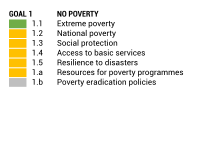
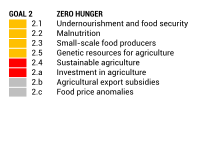
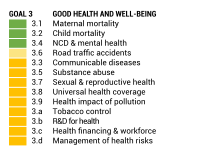
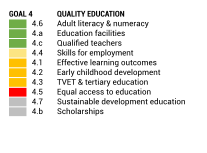
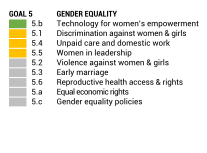
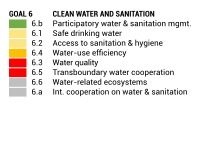
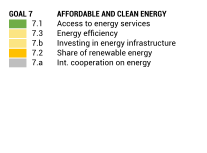
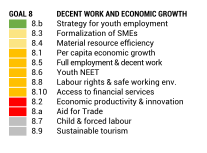
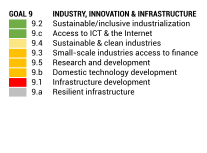
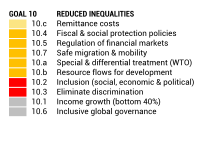
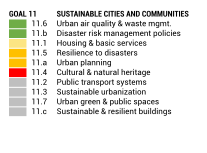
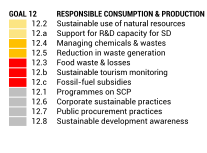
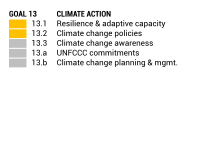
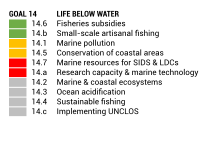
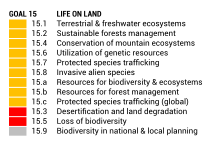
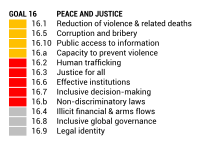
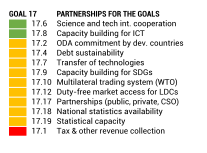
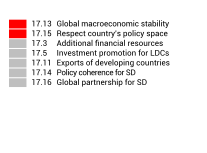
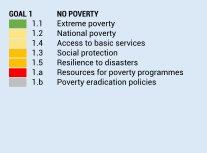
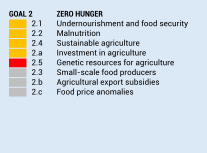
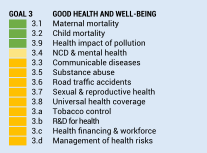
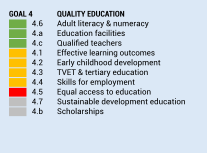
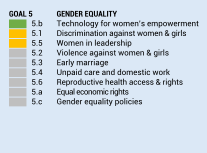
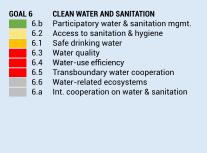
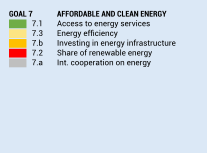
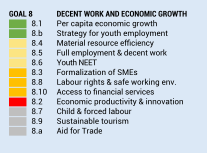
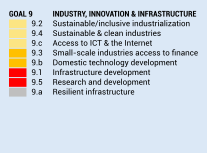
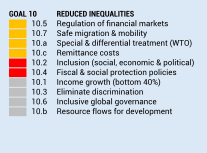
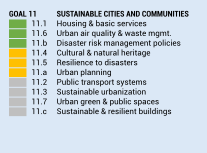
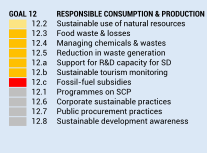
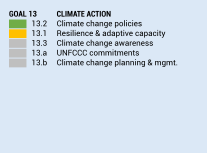
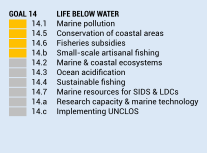
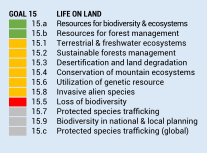
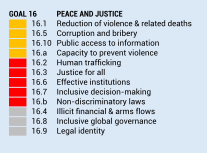
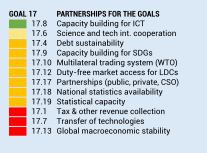
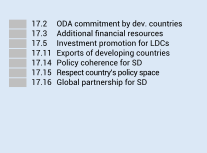
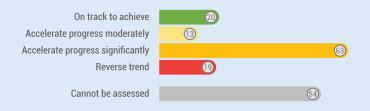
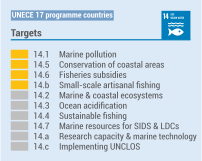
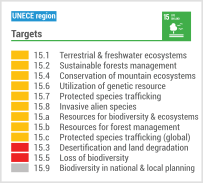
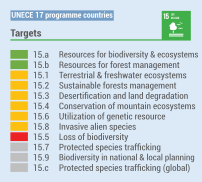
Out of the total of 169 SDG targets, progress for the UNECE region can be measured towards 127 and for the programme countries towards 115 targets. In the charts, each target is coloured according to the gap between anticipated and desired progress. The colour is green if the pace of progress is sufficient to reach the target value by 2030; light yellow if the pace of progress is at least at two thirds of the rate needed to reach the target; dark yellow if the pace of progress is slower than two thirds of the necessary rate; and red if the trend observed so far runs counter to the desired direction. If the target cannot be assessed, it is shown in grey.
4 Seventeen UNECE countries participating in technical cooperation programmes of the United Nations, denoted in the report as “programme countries”: Albania, Armenia, Azerbaijan, Belarus, Bosnia and Herzegovina, Georgia, Kazakhstan, Kyrgyzstan, Montenegro, North Macedonia, Republic of Moldova, Serbia, Tajikistan, Türkiye, Turkmenistan, Ukraine, Uzbekistan.
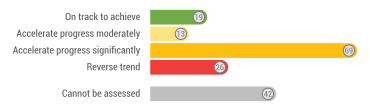
If the current path is followed, the UNECE region will achieve only 19 targets by 2030. This is 15 per cent of the assessed targets, and a decline by two targets compared to the estimation from last year.
For 13 targets (10 per cent), progress is heading in the right direction and requires a moderate acceleration, and for 69 targets (54 per cent), progress is insufficient, requiring a significant acceleration to close the gap by 2030.
The current trend is in reverse for 26 targets (20 per cent), which is up by 6 targets compared to the estimation from last year.
Data availability has improved and allows assessing 2 more targets than last year.
The progress assessment of the group of 17 programme countries was possible on 115 out of the 169 targets.
In that group of countries, progress is on track for 20 targets (17 per cent); 13 targets (11 per cent) require moderate acceleration; 63 targets (55 per cent) require significant acceleration; and for 19 targets (17 per cent) the trend is in reverse.
The region has strong social protection coverage but is not on track with reducing poverty (goal 1)
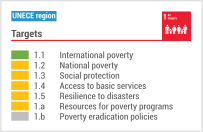
The UNECE region is on track to achieve the target of eradicating extreme poverty, measured by the proportion of the population living below the international poverty line (indicator 1.1.1). Most countries have also seen a reduction in the poverty rate based on the national poverty line (indicator 1.2.1) as well as in multidimensional poverty (indicator 1.2.2) that considers various aspects of deprivation beyond income. However, the reduction is not quick enough to attain the ambition of halving these poverty rates in the period from 2015 to 2030 in the region.
The region has strong social protection coverage overall (indicator 1.3), but support for the unemployed remains insufficient. In a quarter of UNECE countries, less than 10 per cent of unemployed are provided with cash benefits. The region is nearing universal access to sanitation, and especially on basic drinking water service but requires focused efforts on the few who still lack access (indicator 1.4.1). The region made progress on reducing damage from natural hazards in the number of deaths, the number of people affected (indicator 1.5.1), as well as in direct economic losses (indicator 1.5.2). Nearly half of the donor countries have reduced their official development assistance for poverty reduction since 2015 (indicator 1.a.1).
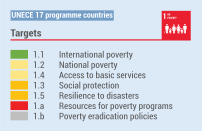
The 17 programme countries have made good progress in providing basic drinking water services (indicator 1.4.1) and sanitation services (indicator 1.4.2), with only moderate acceleration needed. Marked progress has also been achieved in reducing poverty according to the national poverty line (indicator 1.2.1), and only moderate acceleration would be needed to attain the target of halving the level from 2015 to 2030. The reduction of multidimensional poverty (indicator 1.2.2) is already on track for this. The programme countries have to reverse the decline in the proportion of government budget on essential services, especially on health and social protection (indicator 1.a.2).
Progress on food security and diversity (goal 2) is not on track
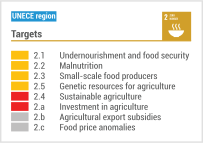
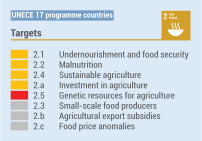
Whereas the number of countries with persisting undernourishment has decreased by a third (indicator 2.1.1), prevalence of food insecurity (indicator 2.1.2) has increased. Amongst children, the prevalence of stunting (indicator 2.2.1) and acute malnutrition (indicator 2.2.2) both decreased by over 10 per cent. However, the region saw over 20 per cent increase in the prevalence of overweight children (indicator 2.2.2). To achieve healthy population growth through food security and quality, the slight increase in anaemia (a condition where a lack of iron leads to low energy and poor health) in reproductive-age women (indicator 2.2.3) would need to be reversed.
Progress is being made towards maintaining a diverse and nutritious food supply for future generations as the number of animal breeds and plants for which genetic resources are stored is growing (indicator 2.5.1). To preserve the local produce diversity in the region, increasing proportion of local breeds at risk of extinction must be reversed (indicator 2.5.2). The proportion of agriculture area under productive and sustainable practice (indicator 2.4.1) is declining and government expenditures have become less oriented towards agriculture (indicator 2.a.1).
Differently from the rest of the region, governments in the programme countries are orienting their expenditures more towards agriculture (indicator 2.a.1) and the productive agriculture area is expanding (indicator 2.4.1), whereas the decrease in the genetic diversity of plants in seed banks to protect future food supplies has to be reversed (indicator 2.5.1).
All health and well-being (goal 3) targets can be assessed and three targets on reducing premature mortality are on track
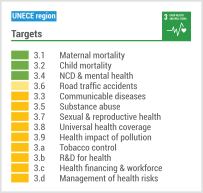
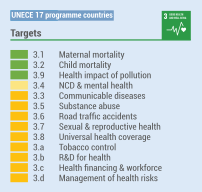
Progress assessment is possible for all the 13 targets under goal 3 and all of them are moving in the desired direction for the region as a whole as well as for the programme countries. The region is on track to achieve targets on the reduction of child and maternal mortality as well as mortality from non-communicable diseases (targets 3.1, 3.2 and 3.4).
The coverage of treatment for substance use disorders (indicator 3.5.1) has improved; however, progress needs to accelerate, as current coverage on average still excludes nearly three quarters of the population. Improvements were also observed across several physical and mental health indicators, such as maternal mortality (indicator 3.1.1), under-five mortality (indicator 3.2.1), tuberculosis incidence (indicator 3.3.2) and suicide mortality (indicator 3.4.2). Nevertheless, affordable access to healthcare remains a challenge in the region: in more than half of reporting countries, over one in ten people face excessive out-of-pocket health expenditures (indicator 3.8.2).
The programme countries lag behind other countries of the region in reducing deaths from non-communicable diseases, such as cancer, diabetes or chronic respiratory disease (indicator 3.4.1). Mortality rates from road traffic accidents (indicator 3.6.1) have also been improving at a slower pace in the programme countries than in the rest of the region. However, the programme countries have been reducing mortality from suicides (indicator 3.4.2) and unintentional poisonings (indicator 3.9.3) faster, with both being on track for achieving the 2030 targets.
Disparities in education (goal 4) are narrowing slowly
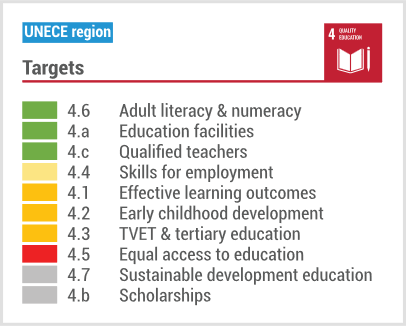
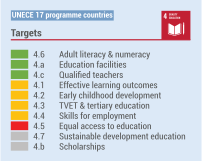
In the region, school completion rate is high but not universal, especially for lower and upper secondary schools (indicator 4.1.2). Near-universal preschool enrolment (indicator 4.2.2) in most countries is at risk, as a downward enrolment trend has been observed in over one third of countries in the region. Slow and uneven progress towards universal and quality education (target 4.1) is related to persisting inequalities between advantaged and disadvantaged students. While gender parity in proficiency in mathematics and reading (indicator 4.5.1) has been achieved, immigration status and socio-economic disparity continue to impact the achievement of minimum proficiency in both reading and mathematics. For youth and adult population, the region is on track to achieve universal literacy (indicator 4.6.1).
Compared with last year, the number of data series measuring the youth information and communications technology (ICT) skills increased by over 40 per cent, highlighting the growing importance of digital skills and the need to track progress in the region (indicator 4.4.1). Participation in education and training (indicator 4.3.1) among the population aged 55 to 64 (indicator 4.3.1) increased significantly for both women and men in many countries, putting the region on track to meet targets for this age group. Participation in education and training also increased among working-age adults aged 25 to 54, although the average increase for men was twice that observed for women. Across all age groups, participation rates for women in education and training remained higher than for men. Most countries in the region are on track to ensure that teachers meet minimum required qualifications at all levels (indicator 4.c.1); however, substantial differences persist between countries, particularly for pre-primary education teachers.
Schools in the region are well equipped, and most countries are already providing universal access to computers and the internet as well as other basic services in schools (indicator 4.a.1). New data series for this indicator include the availability of adapted infrastructure and learning materials for students with disabilities, disaggregated by education level; these are now reported by over one-quarter of countries in the region. Overall, accessibility for children with disabilities is relatively high at the regional level, although significant differences remain between countries.
In the programme countries, schools fare comparably with the rest of the region on offering basic services and access, but lag on the proportion of youth and adults with information and communication skills (indicator 4.4.1).
Gender equality (goal 5) is improving too slowly to be achieved by 2030
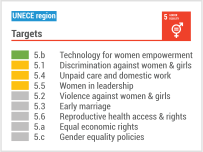
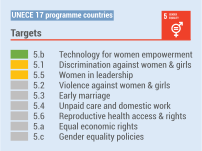
Progress on gender equality can only be measured for less than half of targets. Improvements in policy and legal frameworks to combat discrimination and promote gender equality remain slow, although some advances have been reported in overarching legal frameworks and participation in public life. Significant variation persists across countries, particularly in legal frameworks related to employment and economic benefits (target 5.1). Progress in the distribution of unpaid domestic care work between women and men (target 5.4) is also insufficient and would need to accelerate much faster. In addition, more countries need to collect these data on a regular basis to support effective monitoring and targeted policymaking.
Trends in women’s participation in elected bodies show mixed results: while representation has increased at the local governments level, this has been offset by a slight decline in national parliaments (indicator 5.5.1). Of particular concern, negative trends are accelerating in countries that are already furthest behind. In economic life, the share of women in managerial positions has declined, especially in senior and middle management roles (indicator 5.5.2). Progress toward women’s empowerment in technology, which is measured by mobile phone ownership (indicator 5.b.1), remains on track to be achieved.
The assessment for the programme countries aligns with that for the region in total, with the exception that there is not enough data on unpaid care and domestic work (target 5.4) to assess progress in the programme countries.
Progress on most water (goal 6) and energy (goal 7) targets will fall short by 2030
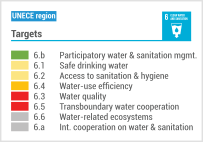
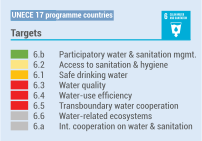
Access to safe drinking water (indicator 6.1.1) is widespread in the UNECE region; however, a slight relapse was observed in over one third of countries. Progress has also been made in sanitation services, but faster improvement is needed, particularly in the one third of countries where less than 80 per cent of the population has access to safely managed sanitation (indicator 6.2.1). Improvement in water quality also needs to accelerate: currently, half of the countries in the region fall short of safely treating at least 80 per cent of their domestic wastewater (indicator 6.3.1).
Water use efficiency is improving across the region, although progress remains uneven and insufficient (indicator 6.4.1). Stress on freshwater resources has declined in only half of the countries with data (indicator 6.4.2). Continued monitoring is also required for integrated water resources management, including transboundary cooperation, as measured by the share of transboundary basin area covered by operational water cooperation arrangements (indicator 6.5.2). The region demonstrates strong participation of local communities in water and sanitation management (indicator 6.b.1).
In the programme countries, progress has to accelerate in providing access to safely managed drinking water services (indicator 6.1.1) as nearly 20 per cent of people are still lacking them. The increase in water stress levels (indicator 6.4.2) in the programme countries needs to be reversed.
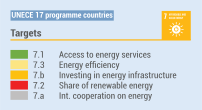
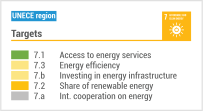
Access to electricity is universal across the region and nearly everyone uses clean fuels for cooking, heating and lighting (target 7.1). Investments and prioritisation of clean energy and energy efficiency are reflected in declining energy intensity, which fell by over 20 per cent, indicating reduced energy use per unit of economic output (indicator 7.3.1), alongside with a nearly 20 per cent increase in regional renewable energy capacity (indicator 7.b.1). To ensure clean and sustainable energy for all, the negative trend in the share of renewable energy in the total energy consumption observed in over a quarter of countries in the region must be reversed (indicator 7.2.1).
In the programme countries, renewable energy generation capacity is in need of improvement as it stands at the level of about half the regional average (indicator 7.b.1). The decline in the share of renewables in the total energy mix (indicator 7.2.1) needs to be reversed.
Progress on inclusive economic growth and decent work for all (goal 8) needs to accelerate
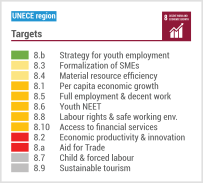
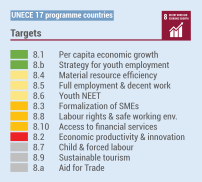
Economic growth in the UNECE region remains positive, with average growth in gross domestic product (GDP) per capita above 2 per cent (indicator 8.1.1). However, in most countries, the growth rate declined compared with last year. Increase in labour productivity, measured as the annual growth rate of real GDP per employed person (indicator 8.2.1), has been declining below the target level of 2 per cent. Informal employment has continued to decline across the region (indicator 8.3.1), and with sustained policy efforts, the region may reach its targets. Unemployment rates have continued to decrease (indicator 8.5.2), but progress would need to accelerate to meet the 2030 targets.
Most countries in the region have adopted dedicated strategies for youth employment, putting this target on track to be achieved (target 8.b). The proportion of youth not in employment, education or training continues to decline in the region; however, sustained efforts are required, particularly in nearly one quarter of countries where the trend remains upward (target 8.6).
The downward trend in occupational injuries observed last year has reversed, with increase in both fatal and non-fatal injuries, raising concerns and underscoring the need for renewed action on workplace safety (indicator 8.8.1). While national compliance with labour rights has improved, current progress is insufficient to meet the target unless accelerated (indicator 8.8.2). To ensure inclusive and sustainable economic growth, countries will also need to intensify efforts to improve resource use efficiency (target 8.4), continue to expand access to financial services (8.10) and reverse the significant decline in aid for trade (target 8.a).
The share of informal employment in the programme countries remains significantly higher compared to the regional average, although the trend is in decline in most countries. The programme countries are faring better than the region on per capita GDP growth (indicator 8.1.1). The pace of reduction in the proportion of youth not in employment, education or training (indicator 8.6.1) in the programme countries has been faster than in other countries of the region.
Progress continues, but targeted investments are needed to advance sustainable infrastructure, industrialization and innovation (goal 9)
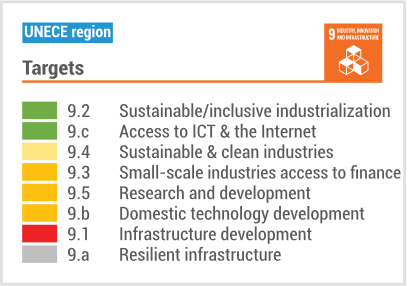
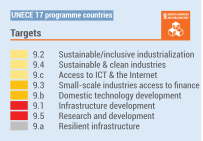
Data is available for assessing seven out of the eight targets under goal 9. It is important to ensure that small scale industries have access to finance; however, no progress has yet been observed for this indicator (indicator 9.3.2). The region’s commitment to reduce carbon emissions is reflected in declining carbon dioxide emissions per unit of GDP (PPP) and emissions from manufacturing industries (indicator 9.4.1). The region shows encouraging progress in target 9.5, with sustained growth in investment in research and development alongside an increasing number of full-time researchers.
At the same time, targeted investments are needed to expand medium- and high-technology manufacturing, as its share remains below half of the regional target on average (indicator 9.b.1). The declining trend in the proportion of freight transported by rail (indicator 9.1.2) and in rail passengers (Indicator 9.1.1) need to be reversed to achieve the target on sustainable and resilient infrastructure (target 9.1). Finally, the region has achieved widespread access to information and communications technology, and new data on 5G mobile network coverage highlights continued momentum toward digital connectivity for all (indicator 9.c.1).
In the programme countries, the decline in investment and capital in research and development measured by the expenditure as a proportion of GDP (indicator 9.5.1) and the proportion of researchers (indicator 9.5.2) has to be reversed.
Addressing inequality requires renewed policy momentum amid growing pressures (goal 10)
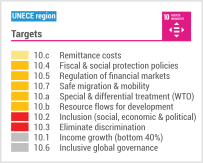
Progress toward reducing inequalities remains uneven across the region. The proportion of people living below 50 per cent of the national median income (indicator 10.2.1) continued to increase in nearly one third of the countries. Furthermore, in roughly one out of six countries, the relative income poverty rate is more than double the regional target.
Discrimination and harassment remain widespread: in most countries with recent data, close to 20 per cent of the population reported experiencing discrimination or harassment in the last 12 months (indicator 10.3.1). At the same time, the growing number of countries reporting on this indicator reflects increasing regional commitment to monitoring and addressing these challenges.
Progress on policies aimed at reducing inequality has weakened slightly. Both the labour share of GDP (indicator 10.4.1) and the redistributive impact of fiscal policy (indicator 10.4.2) registered modest relapses at the regional level. In contrast, financial soundness and regulation (target 10.5) have improved (target 10.5), particularly in terms of regulatory tier 1 capital relative to risk-weighted assets, indicating stronger bank capitalization and resilience. Return on assets has also improved, with two out of every five countries already meeting the regional target (indicator 10.5.1).
The region recorded an overall reduction in deaths and disappearances during migration (indicator 10.7.3) while an upward trend still persists in nearly half of the countries with data. The proportion of refugees (indicator 10.7.4) more than doubled compared with the previous year, with increases observed in nearly three-quarters of countries, reflecting the continued impact of geopolitical conflicts on displacement. More work is needed to reduce costs of migrant remittances (target 10.c).
These same geopolitical tensions have also contributed to a sharp decline in official development assistance (target 10.b), which fell by half compared with the previous year, with reductions recorded in three out of five countries in the region.
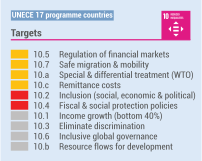
In many programme countries, the share of labour in GDP (indicator 10.4.1) is declining and needs to be reversed. This is accompanied by a broader data deficit, notably there is no data for the programme countries on discrimination under target 10.3.
Strengthening resilience and investment is key to achieving sustainable cities (Goal 11)
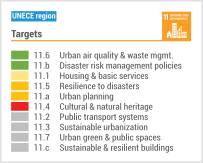
Data is available to assess six out of ten targets under goal 11. The region is gradually alleviating challenges related to inadequate housing; nearly three in four countries with data report a decline in the proportion of urban population living in inadequate housing (target 11.1). While the overall air pollution levels in the region remain relatively low, continued monitoring of fine particulate matter concentrations is essential, as elevated levels in certain locations and periods—particularly in urban centres—may still require policy intervention to ensure public health (indicator 11.6.2).
Many countries in the region have adopted national disaster risk reduction strategies aligned with the Sendai Framework, and local governments are increasingly adopting and implementing subnational disaster risk reduction strategies (target 11.b). In addition, a large number of countries have national development policies and plans to respond to population dynamics and that if implemented, promote balanced territorial development.
These efforts are reflected in outcomes: the region recorded significant reductions in both the number of people affected by natural hazards (indicator 11.5.1) and the economic losses associated with disasters (indicator 11.5.2). However, as natural hazard statistics are driven by large-scale and cascading disaster events, becoming increasingly more frequent due to climate change, continued investment in resilience remains critical to saving lives and reducing loss and damage.
Investment in the protection and preservation of cultural and natural heritage, measured by per capita expenditure, showed mixed results. Increases in public spending have been more than offset by steep declines in private expenditure (indicator 11.4.1).
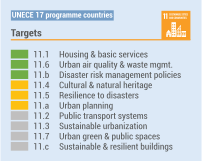
The programme countries are progressing well in the alleviation of inadequate housing (indicator 11.1.1).
Mixed progress highlights the need to accelerate action on climate and environmental sustainability (Goals 12–15)
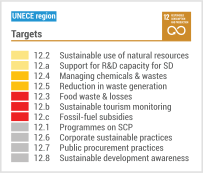
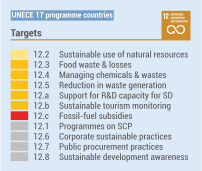
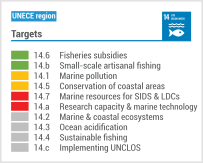
Progress must accelerate on sustainable consumption and production. The region needs to intensify efforts to improve sustainable use of natural resources (target 12.2), strengthen waste treatment and recycling systems and reduce waste (targets 12.4 and 12.5). The region is not on track to meet its targets on hazardous waste generation and treatment nor on collection of electronic waste (indicator 12.4.2). Particularly concerning is the increase in food waste generated in the region (indicator 12.3.1) and the low level of municipal waste recycling where most countries reported recycling less than half of their municipal waste (indicator 12.5.1).
In the energy sector, renewable energy generation capacity continues to expand (indicator 12.a.1). However, this progress risks being undermined by increasing fossil fuel subsidies, which were observed in three out of five countries (indicator 12.c.1). Implementation of standard accounting tools to monitor the economic and environmental aspects of tourism is weakening (indicator 12.b.1).
The programme countries are slower than the rest of the region in installing renewable electricity-generating capacity (indicator 12.a.1), which has improved little. Better than the rest of the region, the generation of food waste (indicator 12.3.1) in the programme countries is going down and the monitoring of the economic and environmental aspects of tourism (indicator 12.b.1) is improving, albeit at a slower pace than needed to attain the targets by 2030.
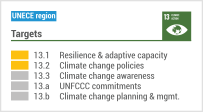
Total greenhouse emissions including land use, land-use change and forestry (LULUCF) are lower than emissions excluding LULUCF (indicator 13.2.2), indicating that land use in the region acts as a net carbon sink. The declining emissions trend observed in nearly two-thirds of countries is encouraging, yet the pace of reduction must accelerate significantly to align with climate mitigation goals. The adoption of disaster risk reduction strategies aligned with the Sendai Framework has continued to increase at both national and local levels (indicators 13.1.2 and 13.1.3).
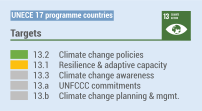
In the programme countries, greenhouse gas emissions (target 13.2) have been going down faster than in the rest of the region and are on track for attaining the target for 2030.
Recent data indicate that progress in curbing marine pollution, specifically land-based waste reaching coastal environments, is falling short of the pace required to meet conservation goals (target 14.1). Progress is also slow with expanding marine protected areas (indicator 14.5.1), although nearly all countries with data are moving in the right direction. The region is on track to meet targets related to protecting access rights for small-scale fisheries (indicator 14.b.1), whereas the value added of sustainable fisheries as proportion of GDP (indicator 14.7.1) and the share of ocean science expenditure in research and development funding (indicator 14.a.1) are declining.
The trends in the programme countries fall behind the rest of the region in reducing marine pollution (target 14.1) and protecting access rights for small-scale fisheries (target 14.b).
On land, gains in the coverage of freshwater key biodiversity areas have been offset by declines in terrestrial protected areas (indicator 15.1.2). The region is not on track to achieve sustainable forest management, and more regular monitoring and reporting under indicator 15.2.1 will be essential to restore the momentum. While protected areas in mountain key biodiversity areas are increasing, faster progress is needed to reach levels sufficient to ensure sustainable mountain ecosystems (indicator 15.4.1). Encouragingly, institutional frameworks for the fair and equitable sharing of benefits from genetic resources have strengthened (indicator 15.6.1).
The index measuring extinction risk across groups of species shows further loss of biodiversity (indicator 15.5.1). Land degradation (indicator 15.3.1) has been on the rise. In the programme countries, this is improving, but slowly. Official development assistance for the conservation and sustainable use of biodiversity (indicator 15.a.1) and forest management (indicator 15.b.1) has increased. When considering only the assistance received, which is the case in the 17 programme countries, the increase is on track for the 2030 ambition.
Mixed trends in peace, safety and institutional effectiveness (goal 16)
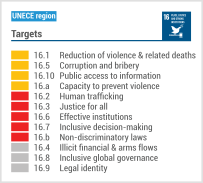
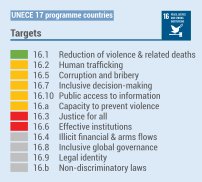
Countries in the UNECE region are facing challenging conditions with respect to peace and safety. Intentional homicide remains rare in most countries (indicator 16.1.1); however, nearly two-fifth of countries have experienced rising homicide rates in recent years.
Statistics on personal safety and non-lethal violence are known to be substantially underreported to authorities and are therefore best measured through population-based surveys rather than through administrative records. Yet survey-based indicators, such as the proportion of people subjected to robbery (indicator 16.1.3) and the share of people who feel safe walking alone at night (indicator 16.1.4) are not regularly collected or reported by most countries in the region. This underscores the need for sustained investment in regular survey data collection to better understand local conditions and design targeted interventions.
In contrast, indicators based on administrative data sources, such as from law enforcement and prison authorities, are reported more regularly in the region. While some decline was observed in recorded cases of human trafficking (indicator 16.2.2), this progress was more than offset by a rising share of unsentenced detainees in the prison population (indicator 16.3.2), raising concerns about access to justice and due process.
Corruption remains a significant challenge. In over half the countries, the prevalence of bribery experienced by individuals exceeds three times the regional target of 3.2 per cent (indicator 16.5.1). More encouragingly, bribery in business practices shows a downward trend in a majority of countries (indicator 16.5.2).
The introduction of a new data source for indicator 16.6.2 has made it possible to assess public satisfaction with essential services (indicator 16.6.2), which shows that close to 60 per cent of the population in the region report being satisfied with services such as healthcare and education.
Progress toward inclusive institutions remains mixed. The region recorded a slight improvement in compliance with the Paris Principles, reflected in a modest increase in the number of countries whose national human rights institutions hold accredited status (indicator 16.a.1). Decision-making bodies overall are attracting more women and younger members; however, the opposite trend has been observed in judicial institutions (indicator 16.7.1). Newly available data for indicator 16.7.2 indicate that, on average, only one in three people in the region believes that decision-making processes are inclusive. The region is set to meet its targets on having constitutional, statutory or policy guarantees to ensure access to information (indicator 16.10.2).
Finally, while the regional discrimination barometer has shown little change, the growing number of countries collecting this data through surveys highlights the continued importance placed on monitoring discrimination and equal treatment (indicator 16.b.1).
The average number of detected victims of human trafficking in the programme countries was far below the levels observed in the rest of the region and has been decreasing further (indicator 16.2.2). The programme countries have also experienced a faster reduction in intentional homicides than the rest of the region (indicator 16.1.1).
Stronger partnerships and inclusive growth are needed for sustainable development (goal 17)
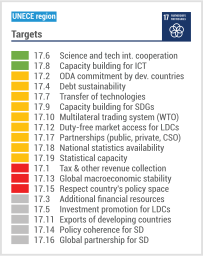
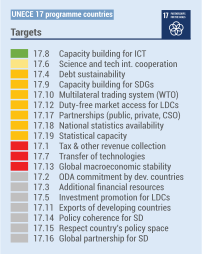
Domestic resource mobilisation showed mixed progress across the region. Government revenue relative to the size of the economy increased in more than half of countries (indicator 17.1.1), signalling a more extensive role of the state in national economies. However, an even larger share of countries reported declines in the proportion of domestic budgets funded through taxation, pointing to the growing reliance on alternative financing sources, including sovereign debt. This trend is consistent with a deterioration in debt sustainability: under indicator 17.4.1, a growing share of export income is being used for external debt service, increasing balance-of-payments pressures in around half of the countries with available trend data.
Official development assistance (ODA) as a share of gross national income (GNI) declined sharply for landlocked developing countries, small island developing States (SIDS) and least developed countries (LDCs), reflecting a broader regional shift toward increased public spending on other priorities, such as military capacity (indicator 17.2.1). At the same time, commitments of development assistance to developing countries showed an increasing trend in nearly half of countries with data, indicating uneven patterns in international support (indicator 17.9.1).
Trade and macroeconomic conditions have become less supportive of development cooperation, with exports of environmentally sound technologies going down and imports increasing very little (indicator 17.7.1). In addition, worldwide weighted tariff averages increased, particularly for industrial and agricultural products, and ongoing geopolitical uncertainty and trade policy volatility are likely to continue influencing these trends in the coming years (indicator 17.10.1).
Although inflation declined across the region, household consumption weakened, with negative real consumption growth observed in a quarter of countries. Average GDP growth also weakened (indicator 17.13.1).
Total official development assistance for technical cooperation shows renewed momentum, with almost half the countries with data recording increases (target 17.9).
Connectivity continues to support cooperation and more even development outcomes. Fixed broadband subscriptions and internet access are nearly universal across the region, and the region remains on track to meet targets on technology and information access by 2030 (targets 17.6 and 17.8). However, recent data on public–private partnerships for infrastructure are lacking, limiting the ability to monitor progress under target 17.17.
The region continues to demonstrate strong statistical capacity. Almost all countries have national statistical legislation and government-funded statistical plans, although not all plans are fully financed (target 17.18). Nearly all countries have conducted at least one population and housing census in the past decade and meet minimum standards for birth and death registration, supporting the availability of core demographic data (indicator 17.19.2).
The fixed broadband subscription in the programme countries remains lower compared to the region (indicator 17.6.1) and is slightly behind the improvement targeted for 2030. Both exports and imports of environmentally sound technologies have been falling in the programme countries (indicator 17.7.1)
Data availability for monitoring the SDGs is improving. The number of global SDG indicators that could be assessed in the UNECE region rose from 171 in 2025 to 176 in the present assessment.
United Nations Economic Commission for Europe
Palais des Nations, Geneva