

When a 6.3-magnitude earthquake struck Albania in 2019, its effects reached deep into the cultural fabric of the country. Cultural heritage sites including museums, historic buildings and archaeological sites, were impacted, disrupting daily life and challenging the communities and economies that rely on them. The event underscored how deeply cultural heritage is tied to SDG 11, especially to Target 11.4, which calls for the protection and safeguarding cultural and natural heritage. It also exposed the need for stronger disaster-risk preparedness under Target 11.b and highlighted how essential open and inclusive cultural spaces are for Target 11.7, which promotes safe and accessible public areas. Crucially, the scale of the destruction required substantial public investment for reconstruction and conservation, reinforcing the importance of strengthening financing streams for heritage preservation, a core element of Indicator 11.4.1.
In this context, the challenge was not only to address the physical damage but to restore in a way that strengthened resilience, expanded accessibility and ensured that heritage could serve the communities sustainably.
Following the earthquake, heritage assets across the country required urgent intervention. Many sites displayed structural weaknesses or deterioration that limited public access and risked further loss. At the institutional level, cultural authorities faced significant constraints: limited tools for risk-informed conservation, insufficient disaster-management frameworks, gaps in specialised conservation capacity, traditional management models not suited to long-term sustainability and inadequate public investment mechanisms to meet the scale of needs.
For communities, the temporary closure of historic sites meant losing places that support the identity, learning and social cohesion, as well income for artisans, guides, educators and small businesses linked to cultural tourism.
Despite the challenges, the recovery process also offered a unique opportunity to conserve heritage using higher standards of resilience and accessibility while promoting community participation and sustainable financing. The task ahead meant a multidisciplinary approach to restore damaged structures, aimed at converting the crisis into a catalyst for a more inclusive, resilient and future-oriented urban and cultural development.
To support Albania’s recovery from the earthquake, the European Union launched the EU4Culture programme under IPA 2020, implemented by UNOPS in partnership with the Ministry responsible for Culture and local institutions. Comprehensive interventions of the program targeted 23 heritage sites across 8 of the most affected municipalities, using a “Build Back Better” approach.
This approach combined resilience-focused conservation, community engagement and strengthened management. The restoration of heritage assets mobilized a large local workforce, resulting in over 56,000 days of employment for community members. Their future management was reinforced through disaster risk management plans aligned with the Sendai Framework.
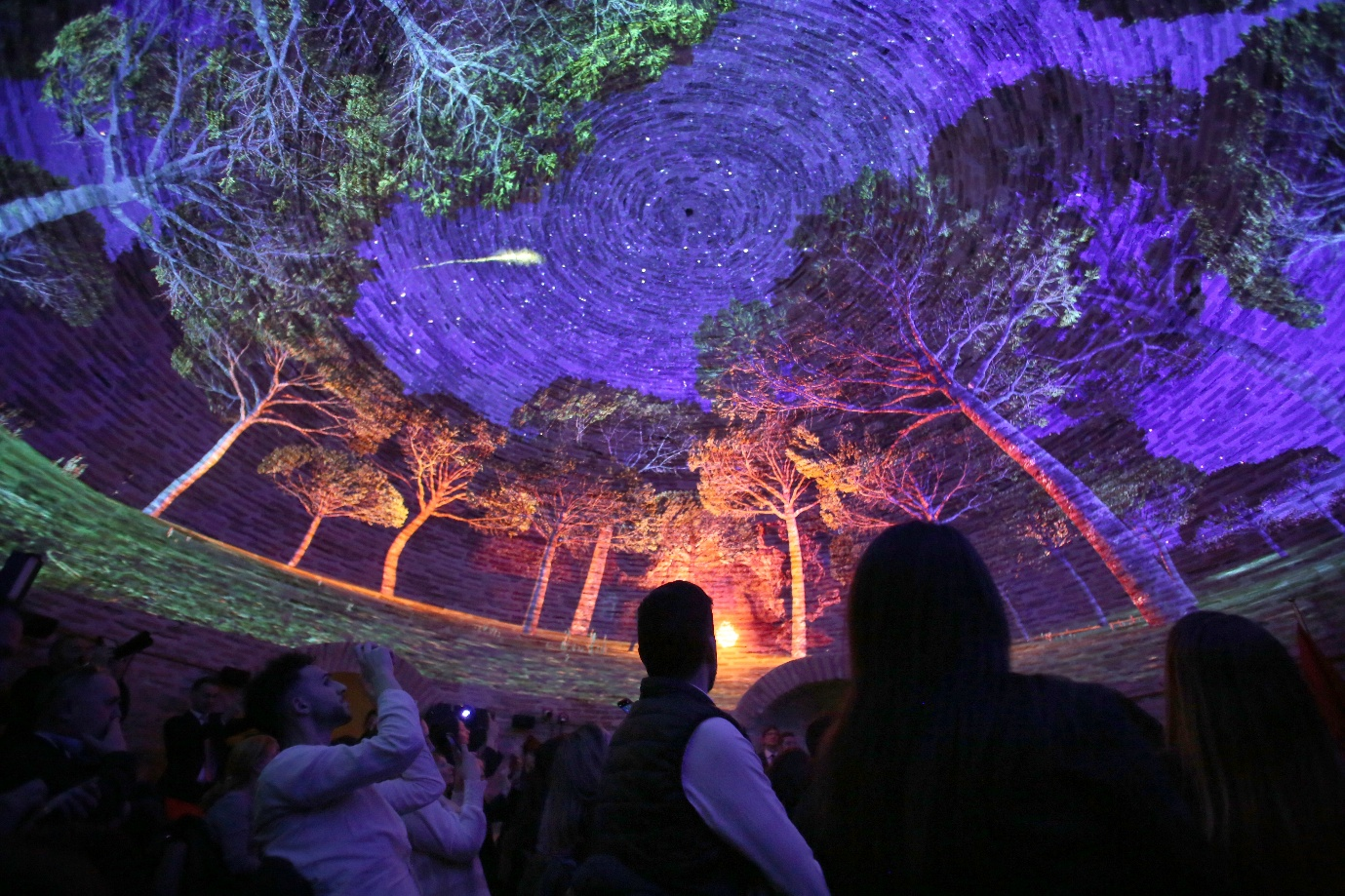
Several sites were reinterpreted or readapted for new uses as well. For example, the Ethnographic Museums in Kruja and Kavaja now use digital storytelling and interpretation tools to support experiencing customs and traditions through a different lens. The Venetian Tower in Durrës now offers augmented and virtual reality experiences to immerse visitors into the place as it was in prehistoric times to today.
To strengthen sustainability, EU4Culture developed Cultural Heritage Management and Business Plans introducing clearer governance, revenue models and long-term planning tools that reduce dependence on public subsidies. Professional development was also central: more than 100 staff and experts were trained in conservation methods, artifact handling, maintenance planning and risk-informed management.
Community participation played a substantial role. Through 33 civil-society grants, artisans, youth groups, educators and cultural associations created new cultural products, storytelling initiatives and inclusive programming. 8,904 people benefited from these activities, including 55 per cent women and 24.5 per cent youth, ensuring diverse voices in the recovery process.
EU4Culture has strengthened Albania’s progress across several dimensions of SDG 11:
Safeguarding cultural heritage (Target 11.4)
The prioritised sites have been restored, preserving their architectural integrity and enhancing their cultural and educational value. These spaces now support learning, cultural expression and sustainable tourism.
Improved resilience (Target 11.b)
The Build Back Better approach and Disaster Risk Management Plans, aligned with the Sendai Framework, have enhanced safety and resilience, making restored sites more robust and protected against future risks.
Inclusive and accessible public spaces (Target 11.7)
Many restored sites are equipped with features that improve access for children, women, seniors and persons with disabilities. Digital interpretation tools, tactile materials and accessible storytelling broaden the reach of cultural spaces.
Community empowerment and participation (Target 11.3)
Civil-society grants empowered communities to shape cultural programming and reinterpret their heritage. Strong participation of women and youth demonstrates the inclusiveness of the process, turning heritage into a shared, lived experience.
Capacity development, sustainability and financing (Indicator 11.4.1)
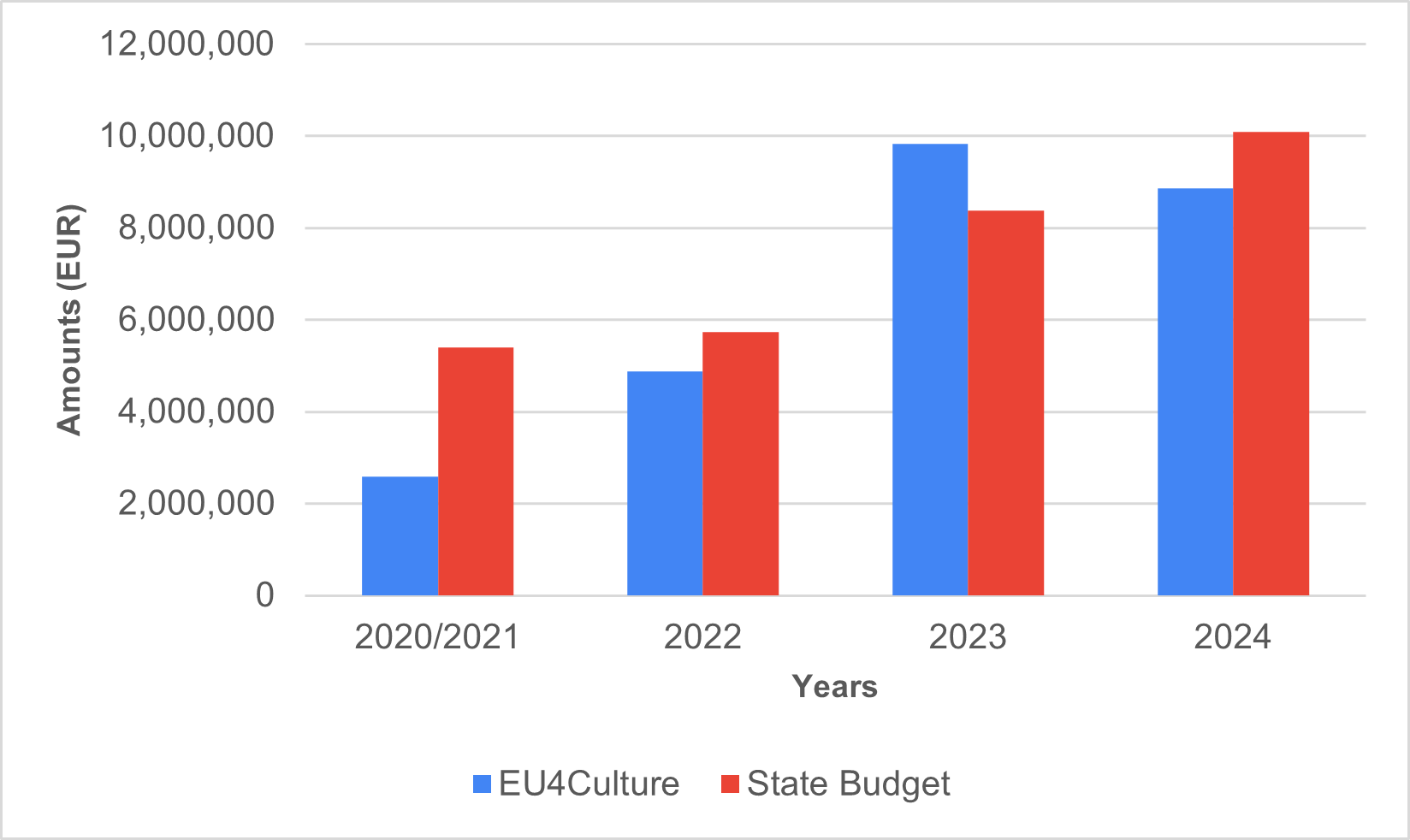
The programme strengthened the institutional and financial foundations of heritage management. Clearer business and management plans, improved budgeting practices and enhanced professional skills support the long-term sustainability of restored sites. The programme mobilised €40 million in EU funding during a period when Albania increased by 40 per cent of its national culture budget compared to 2018, helping broaden the public financing base for heritage.
While routine maintenance and risk-informed planning beyond EU4Culture sites remain challenging, the programme has contributed to a more resilient and better-funded heritage sector, with Albania’s investment in cultural heritage growing significantly throughout the implementation period.
EU4Culture illustrates how post-disaster recovery can advance long-term sustainable development. By pairing careful restoration with disaster-risk reduction, capacity-building, community participation and improved governance, Albania has strengthened the resilience, accessibility and social relevance of its cultural heritage.
The programme shows that safeguarding heritage is not only about protecting historical assets but about reinforcing the social, cultural and economic foundations of communities. Restored and revitalised sites now foster learning, inclusion and local opportunities, contributing to wider development goals that extend beyond the cultural sector. Through this work, Albania has made meaningful progress toward SDG 11 and demonstrated how heritage can serve as a driver of sustainable, resilient and people-centred development.
United Nations Economic Commission for Europe
Palais des Nations, Geneva


